
Is Your Building Project a Symphony or a Jazz Performance?
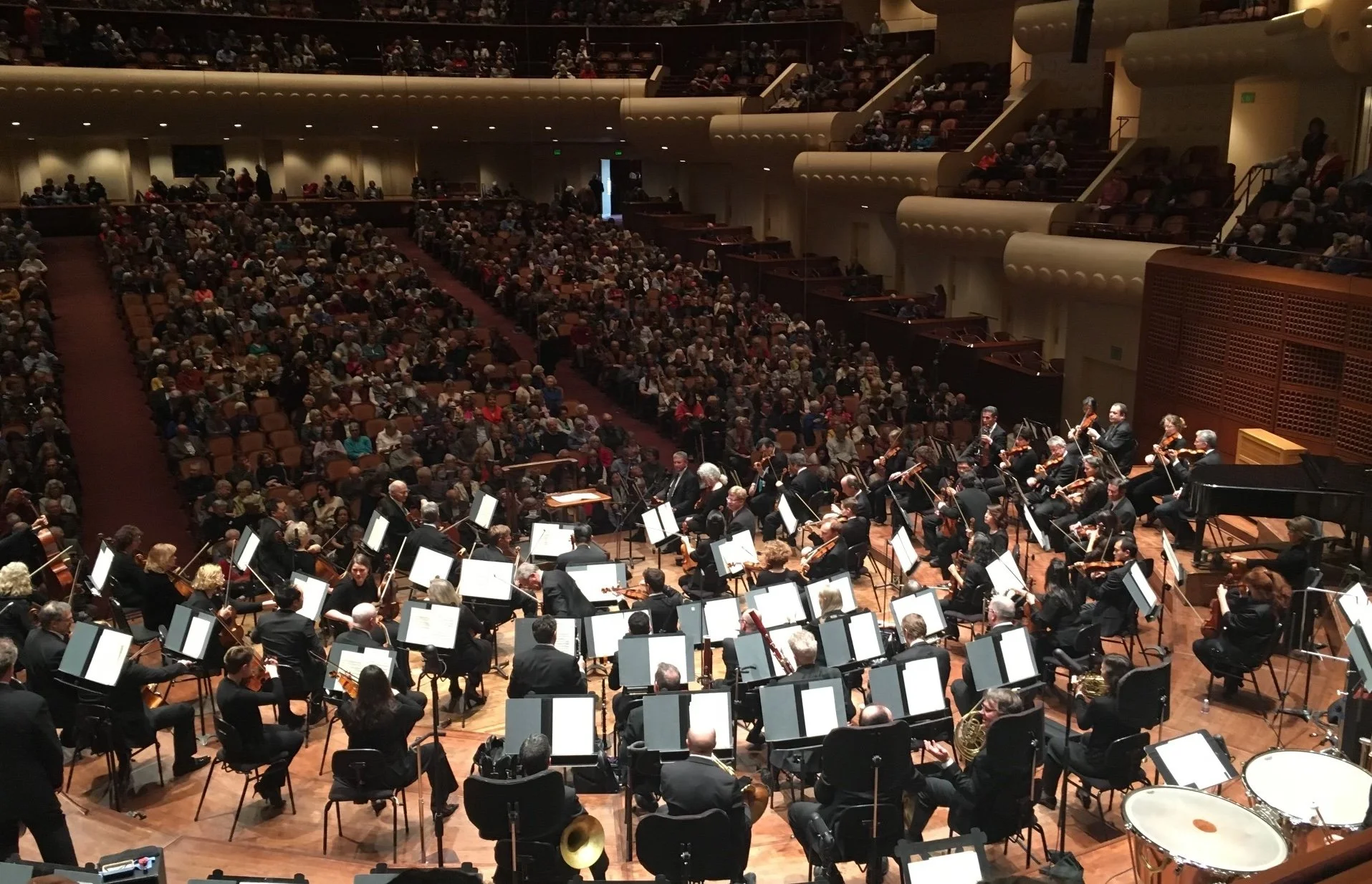
Photo credit: CMD
I like to use the analogy of music to explain the design and building process: where the designer or architect is the composer, the general contractor is the conductor (or bandleader), and the crew and subcontractors are the musicians. As the designer, I may have "written the piece," but it is the general contractor who interprets it, assembles the players, leads practice, and ultimately guides the delivery of the performances. The success of the performance as a whole (e.g. the project) rests largely on the preparation, collaboration and integration of the efforts of the many players, all of whom have a responsibility to each other. And, I might add, to their audience.
Construction as a Symphony in Multiple Movements
I think the construction of a new home is like a symphony. A symphony is a single composition with several (often four) distinct movements, much like the phases of a construction project. The movements are performed one after the other, with a pause in between. A symphony is usually a rich, long, and often emotional performance, typically concluding with an intense effort and dramatic finale.
The performance of a symphony takes tremendous planning, coordination and rehearsal. The conductor must know the entire score, even if they don't personally play each instrument. The musicians must learn their parts separately but must also communicate with the other players, both within their instrumental section and outside of it. They must practice together, harmonize, and stay in sync. If the conductor is inattentive and/or inexperienced, and doesn't provide the necessary communications, rehearsals and rigor, the result can be pretty bad (e.g. disharmonious) - even with skilled and practiced professional musicians.
Renovation: When Building Becomes Jazz
In renovation projects, the better analogy might be the jazz ensemble. Jazz pieces also have composers. There is a bandleader rather than a conductor, and the performance is enhanced by the interpretations and improvisations of the individual players. But don’t mistake improvisation for lack of practice, skill, or experience. To the contrary, accomplished jazz musicians are rigorous and disciplined. Their deep understanding of the structure, craft and complexity of the music - coupled with incredible mastery of their instruments - is what allows them to improvise successfully.
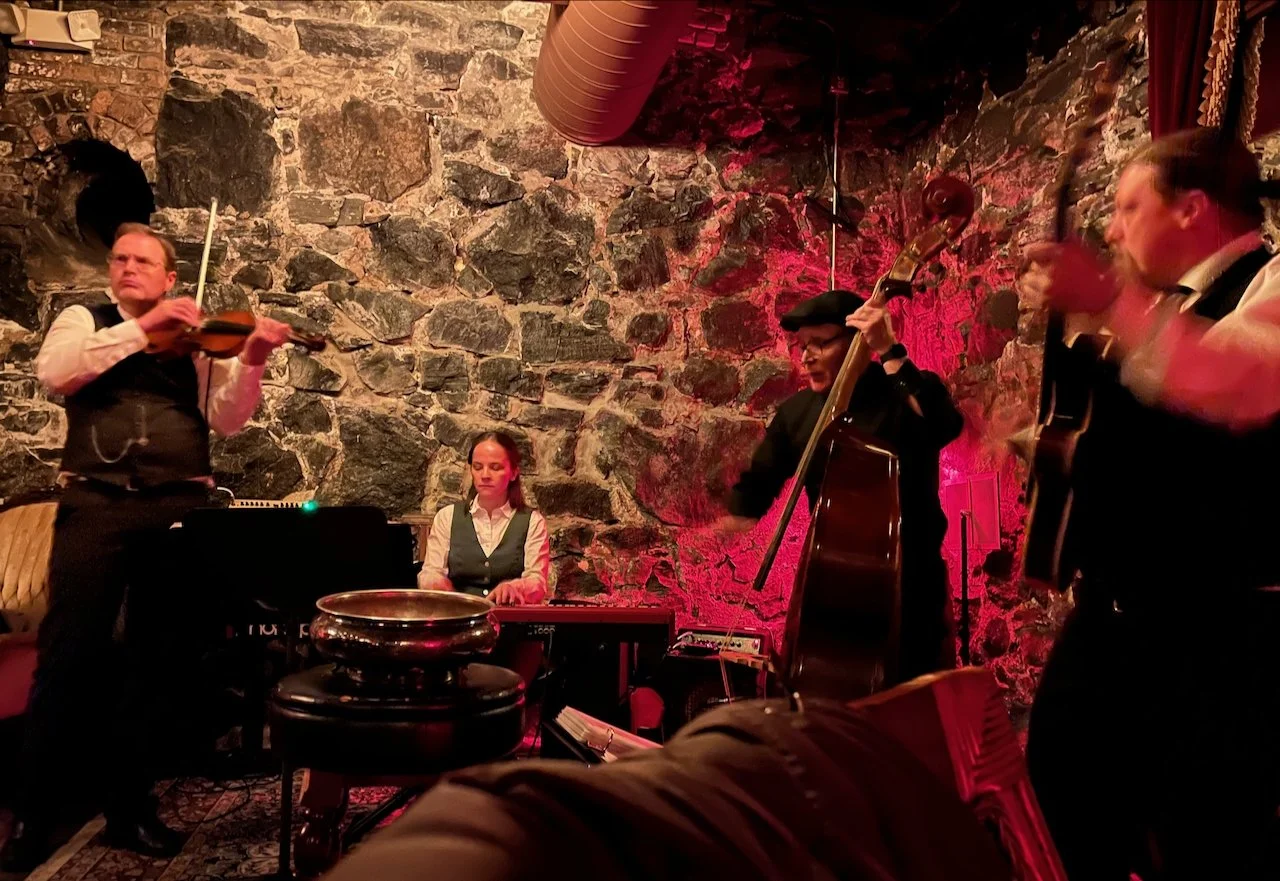
Jazz musicians – bandleader and players alike - communicate with each other while they rehearse and perform together, including the use of something known as “call and response” between players. This technique helps the performance (and performers) to flow and grow organically, but with the fluid direction and collaboration of everyone involved. The powerful outcomes of a successful jazz performance bring energy, joy and satisfaction to players and audience alike.
Drawings Aren’t Enough
Just like in the execution of a musical performance – whether symphony or jazz composition - the amount of documentation, preparation, interpretation, integration, communication, coordination, and collaboration needed for a successful building project is monumental. The drawings, notes and specifications that we (the design team) typically provide are geared to practitioners in the industry who are familiar with the terminology, materials, assemblies, practices and applicable codes. We make assumptions about what the building team (the “players”) should know, and rely on the general contractor to learn the “score” completely in order to guide the project to its success.
A successful outcome nearly always requires skilled professionals (like experienced musicians) in all the roles. And like musicians, the professionals involved in a building project need to know their own parts as well as understand the whole “score” in order to play their parts properly and in harmony with the other players.
When a project has a lot of complexity and phasing, one of the most important things the general contractor can do is call together the job lead and the key subcontractors for meetings and coordination before each phase of the work begins. This is not unlike rehearsals. An initial organizing meeting with all players can set the stage, with the agenda of the initial meeting to discuss the scope of the whole project, the sequencing and the schedule, the priorities and goals for the outcome, and the roles and responsibilities of all involved. A coordinating meeting like this can also encourage and stimulate “call and response” communications between players throughout the project, and for the betterment of all.
Whenever possible, I think it makes sense for the designer to be at meetings as well. Imagine the opportunity for the “musicians” and “conductor or bandleader” to engage directly with the “composer,” to discuss intent, nuance, tempo, and more; including the potential for interpretation that will enrich both the practice and the final performance for all involved. In music, of course, the composer isn’t always available to meet with the musicians. In the building world, we have far more opportunity for interactions between building crew and designers, and I’m glad for that. I know I have become a better composer because of the communication I have received throughout my career from those whose job it is to perform the music I have tried to create.
A version of this article first appeared on the Green Building Advisor website.